


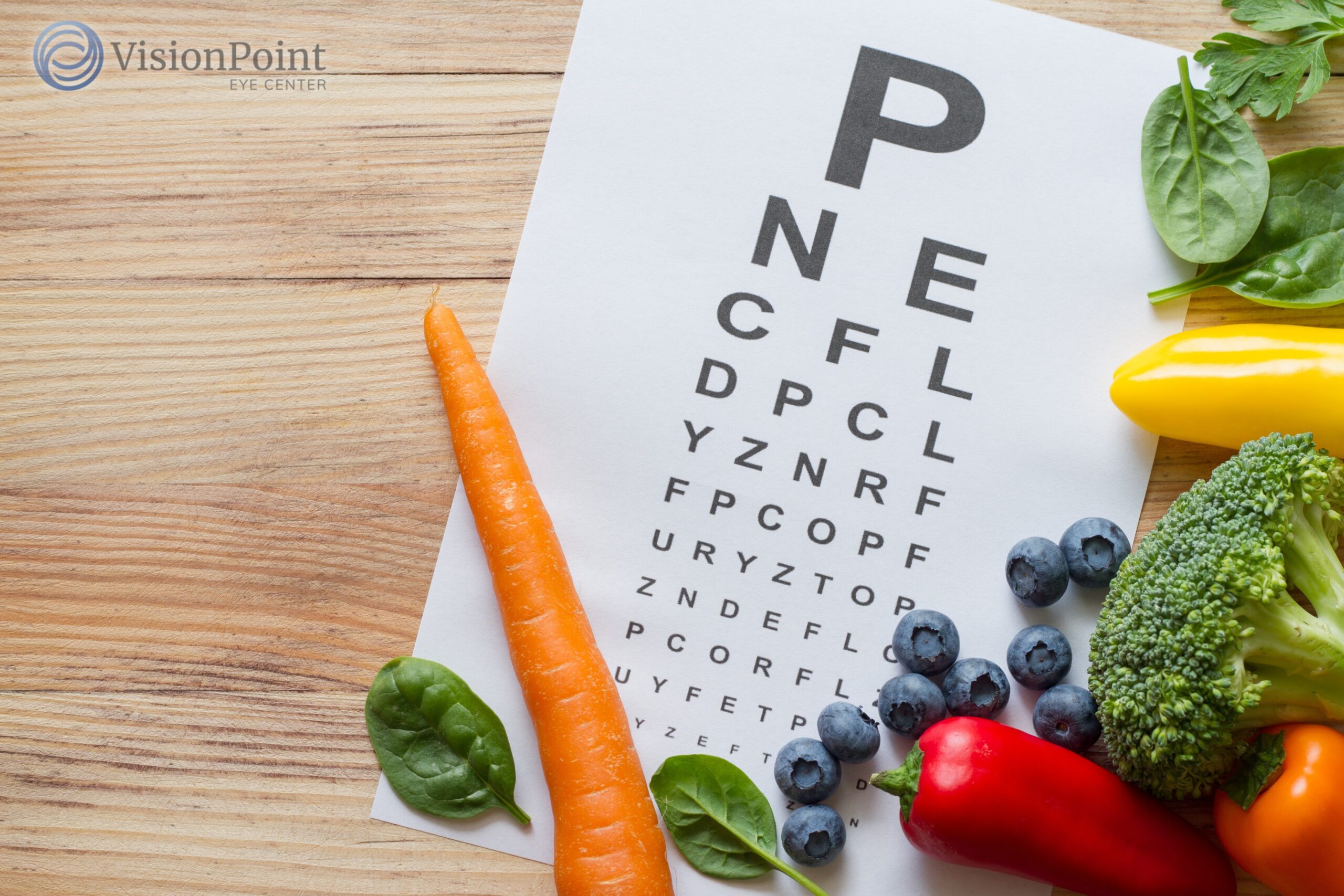
You already know your diet affects your heart and overall health… but your eyes depend on it, too.
Certain nutrients play a direct role in protecting the structures inside your eye, helping reduce damage over time and potentially slowing the progression of conditions like age-related macular degeneration and cataracts.
This isn’t about one “superfood.” It’s about understanding which nutrients matter and making them part of your routine.
Why Diet Matters for Your Eyes
Your eyes are constantly exposed to light and oxygen – two things that naturally generate oxidative stress. Over time, that stress can affect some of the most sensitive parts of your eye, including the retina and lens.
Your body relies on nutrients from food, especially antioxidants, to help counteract that damage.
But here’s the catch: getting nutrients to your eyes isn’t always efficient. For example, the lens doesn’t have its own blood supply. It depends on nutrients from surrounding fluid, meaning a consistently low-nutrient diet can leave it more vulnerable over time.
Lutein and Zeaxanthin: Built-In Blue Light Support
Lutein and zeaxanthin are carotenoids that collect in the macula – the part of your eye responsible for sharp, central vision.
They help:
- Filter harmful blue light
- Neutralize free radicals before they damage cells
Diets rich in these nutrients are linked to a lower risk of developing age-related macular degeneration.
Where to find them:
- Kale, spinach, collard greens
- Egg yolks
- Sweet corn
Tip: These nutrients are fat-soluble, so cooking greens with a little olive oil helps your body absorb them better.
Vitamins C and E: Protecting the Lens
Your lens is especially vulnerable to oxidative damage, which can lead to cataracts.
- Vitamin C helps protect the lens and is found in high concentrations there
- Vitamin E supports cell membranes, including those in the retina
Good sources:
- Vitamin C: citrus fruits, bell peppers, broccoli
- Vitamin E: almonds, sunflower seeds, avocados
Omega-3 Fatty Acids
Omega-3s help keep your tear film stable by supporting the oil-producing glands along your eyelids.
When those glands aren’t working well, tears evaporate too quickly, leading to symptoms of Dry eye disease.
Best sources:
- Fatty fish like salmon, sardines, and mackerel
- Plant-based options like flaxseeds, chia seeds, and walnuts
Vitamin A: Essential for Night Vision
Vitamin A plays a key role in producing rhodopsin, a molecule your eyes need to see in low light.
Without enough of it, night vision can suffer.
Sources include:
- Carrots
- Sweet potatoes
- Butternut squash
- Dark leafy greens
Diet Alone Isn’t Enough
Eating well supports your eye health, but it doesn’t replace regular eye care.
Many serious conditions, like glaucoma, diabetic retinopathy, and macular degeneration, often develop without early symptoms.
A healthy diet won’t detect:
- Early retinal changes
- Increased eye pressure
- Subtle vision loss
That’s where comprehensive eye health exams come in.
In some cases, especially for patients with macular degeneration, specific supplements (like AREDS formulas) may also be recommended alongside a healthy diet.
What This Means For Your Eyes
What you eat gives your eyes the tools they need to protect themselves over time, but it works best when paired with regular eye care.
Are you long overdue for your eye health exam? Schedule an appointment at VisionPoint Eye Center in Bloomington, IL, today!